
How to Control Fleas in the Yard: Your Comprehensive Guide

Anxiety Explained: Symptoms and Treatment Options
September 9, 2024
Dumbbell Exercises for Strength and Definition: Unleash Your Back Power
November 2, 2024
Fleas can turn your yard into a scratching ground, not just for your pets but for your family too. Knowing how to control fleas in the yard is crucial to maintaining a comfortable and healthy outdoor space. This article will cover everything from preventive measures to effective treatments, ensuring you have all the tools you need to tackle this pesky problem.
Why Fleas Are a Problem
Fleas aren’t just annoying; they can pose significant health risks. These tiny parasites can transmit diseases and cause allergic reactions in pets and humans alike. According to the CDC, fleas are responsible for transmitting various pathogens that can affect both animals and humans. Their bites can cause severe itching, leading to secondary infections. Additionally, flea infestations can lead to conditions like flea allergy dermatitis, which can be uncomfortable and costly to treat.
Fleas are not only a concern for pet owners; they can also impact anyone who spends time in the yard. A flea infestation can disrupt your outdoor enjoyment, causing you and your loved ones to itch and scratch. Understanding how to manage fleas in your yard can help protect your family, pets, and the overall environment.
Understanding Fleas and Their Lifecycles
Before diving into control methods, it’s essential to understand fleas better. Fleas are small, wingless insects that feed on the blood of mammals and birds. The lifespan of a flea can vary significantly based on environmental conditions. Generally, fleas can live anywhere from a few weeks to several months, depending on factors like temperature, humidity, and availability of hosts.
Fleas reproduce rapidly; a female flea can lay up to 50 eggs per day. This means that a single flea can lead to an infestation in no time. The flea lifecycle consists of four stages: egg, larva, pupa, and adult. Each stage requires different control methods, so understanding this lifecycle can help you tackle flea problems effectively.
According to research, up to 90% of a flea population may be in the egg or larval stage at any given time, which means focusing only on adult fleas is not enough. To control fleas effectively, you must address all stages of their lifecycle.
Prevention is Key
The best way to control fleas is to prevent them from becoming a problem in the first place. Here are some effective preventive measures you can take:
- Keep Your Yard Clean: Regularly mowing your lawn and trimming overgrown vegetation can help reduce flea habitats. Fleas thrive in shaded, moist areas, so keeping your yard tidy is crucial.
- Use Beneficial Nematodes: These microscopic worms are natural predators of flea larvae. When introduced into your yard, they can help reduce flea populations without harming other beneficial insects.
- Create a Flea-Free Zone: If possible, designate specific areas in your yard for your pets. Using gravel or sand instead of grass can deter fleas, as they prefer to hide in grass and shrubs.
- Regularly Bathe Pets: Regular baths can help remove fleas before they lay eggs in your yard. Use flea shampoos recommended by your veterinarian, and make sure to follow up with regular treatments.
Many pet owners swear by using natural remedies such as diatomaceous earth, which is said to be effective against fleas. This natural powder can be sprinkled around your yard, targeting fleas while being safe for pets and children.
For further insights into natural flea control methods, explore NxThealth blog, where you’ll find a wealth of information about natural pest management.
Chemical Control Methods
While prevention is the best strategy, sometimes fleas can still find their way into your yard. If you’re facing an infestation, several chemical treatments can help. Always ensure these chemicals are safe for your pets and the environment.
- Flea Sprays and Granules: Look for products specifically designed for outdoor use. These can effectively target adult fleas and larvae. Follow the instructions carefully to avoid harming beneficial insects.
- Insect Growth Regulators (IGRs): These products disrupt the flea lifecycle, preventing eggs from hatching and larvae from maturing into adults. IGRs can be particularly effective when combined with other treatments.
- Foggers: If you have a severe infestation, outdoor flea foggers can help treat large areas. Make sure to choose a fogger that is safe for use around pets and children.
Natural Remedies for Flea Control
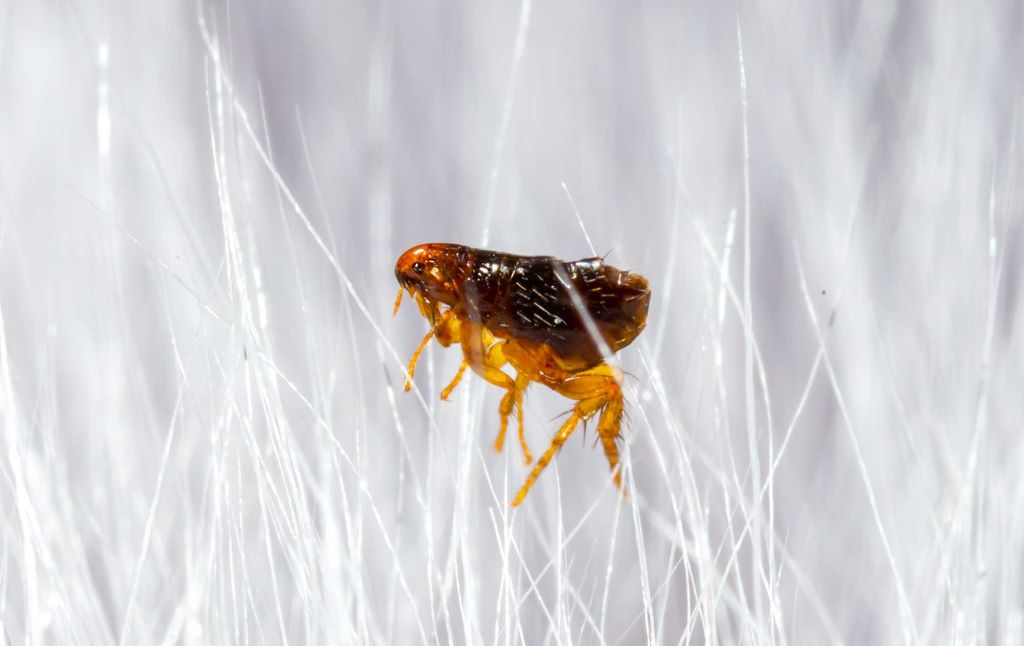
Many homeowners prefer natural remedies over chemical treatments. Here are some effective options you can consider:
- Essential Oils: Oils like lavender, cedarwood, and peppermint are known for their flea-repelling properties. Mix a few drops with water in a spray bottle and apply it around your yard.
- Vinegar Solution: A mixture of vinegar and water can deter fleas. Spray this solution on areas where fleas are likely to hide, such as under bushes and in shaded areas.
- Cedar Chips: Spreading cedar chips in your yard can create a barrier against fleas. Fleas dislike the scent of cedar, making it an effective natural repellent.
- Companion Planting: Certain plants, like marigolds and rosemary, can repel fleas and other pests. Incorporating these into your garden can help keep flea populations low.
Timing Your Treatments
Timing is crucial when dealing with fleas. The best time to treat your yard is during the warmer months when fleas are most active. However, if you live in a warmer climate, you may need to treat your yard year-round.
Treating your yard during the flea life cycle’s peak months can reduce the overall population significantly. Monitor your yard regularly for signs of fleas, especially in areas where pets frequently roam.
Monitoring and Maintenance
After you’ve taken steps to control fleas, regular monitoring is essential. Keep an eye on your pets and watch for signs of fleas, such as excessive scratching or biting. If you notice any signs of re-infestation, you may need to repeat your treatments.
- Pet Checks: Regularly check your pets for fleas, especially after they’ve been outside. Use a flea comb to help catch any fleas or eggs that may be hiding in their fur.
- Yard Inspections: Regularly inspect your yard for areas that may harbor fleas. Pay special attention to shaded areas and places where your pets like to rest.
- Routine Cleaning: Keep your yard clean and free of debris. This reduces the places where fleas can hide and breed.
You may find this useful: Digital Eye Strain: The Modern Epidemic and How to Combat It
What to Do if Fleas Persist
Sometimes, despite your best efforts, fleas may persist. If you find yourself in this situation, it may be time to consult a professional pest control service. These experts can provide targeted treatments and advice tailored to your specific situation.
According to a study published by the Journal of Vector Ecology, professional pest control can reduce flea populations by up to 95%, significantly improving your chances of flea-free living.
Conclusion
Fleas can be a nuisance, but with the right knowledge and tools, you can control them effectively. By understanding the flea lifecycle, implementing preventive measures, and using targeted treatments, you can reclaim your yard from these pests.


