
Bouncing Back vs. Looking Up: Unpacking the Difference Between Resilience and Positive Attitude

Unlocking Your Thumb: Effective Exercises for Trigger Thumb
November 2, 2024
How Hard Is It to Study Abroad? The Real Challenges and Rewards
November 19, 2024
We often hear the terms “resilience” and “positive attitude” used interchangeably, especially when discussing overcoming challenges and achieving success. While they are certainly related and often work in tandem, they are distinct concepts with unique characteristics. Understanding the nuances between bouncing back vs looking up them can empower us to navigate life’s ups and downs with greater clarity and strength.
Resilience: The Art of Bouncing Back
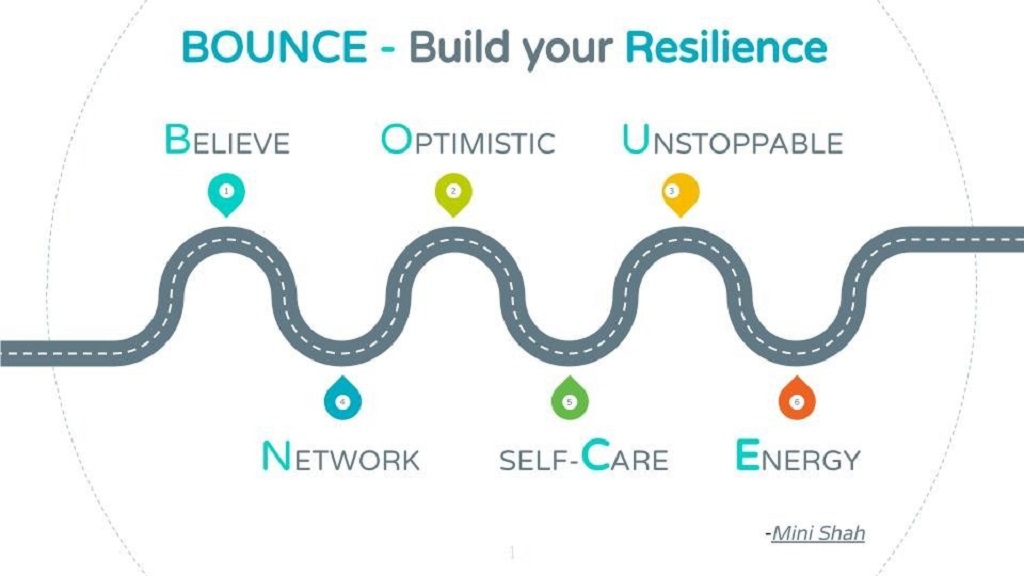
Imagine a rubber ball. No matter how hard you throw it at the ground, it bounces back. This inherent ability to recover from setbacks is the essence of resilience. It’s the inner strength that allows us to adapt and thrive in the face of adversity, trauma, tragedy, threats, or significant sources of stress.
Resilience isn’t about avoiding hardship altogether; it’s about how we cope and grow when faced with it. It’s a dynamic process, a series of learned skills and behaviors that enable us to:
- Navigate difficult emotions: Resilience involves acknowledging and processing challenging emotions like grief, anger, and disappointment without being overwhelmed by them.
- Learn from setbacks: Instead of viewing failures as insurmountable obstacles, resilient individuals see them as opportunities for growth and learning.
- Maintain perspective: Even in the midst of crisis, resilient people can maintain a sense of perspective, recognizing that the current situation is not permanent.
- Develop problem-solving skills: Resilience equips us with the ability to identify solutions and take proactive steps towards overcoming challenges.
- Build strong support systems: Resilient individuals cultivate meaningful relationships and seek support from others when needed.
Resilience is not a fixed trait; it’s a muscle that can be strengthened over time. Factors like genetics, early childhood experiences, and social environment can influence our baseline resilience, but we can all develop and enhance our capacity to bounce back through conscious effort and practice.
Read More Also: Unlocking Your Thumb: Effective Exercises for Trigger Thumb
Positive Attitude: The Power of Optimism
A positive attitude, on the other hand, is like a pair of rose-tinted glasses. It’s a mindset that focuses on the good, anticipates positive outcomes, and approaches challenges with hope and optimism. It’s about choosing to see the silver lining in every cloud and believing in our ability to overcome obstacles.
A positive attitude can manifest in various ways:
- Expressing gratitude: Focusing on what we have rather than what we lack fosters a sense of contentment and appreciation.
- Practicing self-compassion: Treating ourselves with kindness and understanding, especially during difficult times, helps maintain a positive outlook.
- Cultivating optimism: Believing in a positive future and our ability to influence it empowers us to take action and persevere.
- Looking for the good: Even in challenging situations, a positive attitude allows us to identify opportunities for growth and learning.
- Maintaining hope: Holding onto hope, even in the face of adversity, provides a sense of purpose and motivation.
While a positive attitude can be incredibly beneficial, it’s important to maintain a sense of realism. Toxic positivity, or the forced suppression of negative emotions, can be detrimental to our well-being. Authentic positivity acknowledges the full spectrum of human emotions while choosing to focus on the good.
The Interplay: Where Resilience and Positive Attitude Meet
While distinct, resilience and positive attitude are intertwined and often reinforce each other.
- A positive attitude fuels resilience: When faced with setbacks, a positive outlook can provide the motivation and hope needed to persevere and bounce back. It helps us reframe challenges as opportunities and maintain a sense of perspective.
- Resilience fosters a positive attitude: As we successfully navigate challenges and overcome adversity, our belief in ourselves and our ability to handle difficult situations grows, leading to a more positive outlook.
Think of it this way: resilience provides the foundation for bouncing back from adversity, while a positive attitude provides the fuel that propels us forward. Together, they create a powerful synergy that enables us to thrive in the face of life’s inevitable challenges.
Cultivating Resilience and a Positive Attitude
Both resilience and a positive attitude are skills that can be learned and nurtured. Here are some strategies to cultivate both:
- Practice mindfulness: Paying attention to the present moment without judgment can help us regulate our emotions and respond to challenges with greater clarity.
- Develop self-awareness: Understanding our strengths, weaknesses, and emotional triggers allows us to navigate difficult situations more effectively.
- Build strong relationships: Connecting with others and cultivating supportive relationships provides a sense of belonging and security, which is crucial for both resilience and a positive attitude.
- Set realistic goals: Setting achievable goals and celebrating our successes, no matter how small, boosts our confidence and fosters a sense of accomplishment.
- Practice gratitude: Regularly acknowledging the good in our lives helps shift our focus from what we lack to what we have, fostering a more positive outlook.
- Embrace challenges: Viewing challenges as opportunities for growth rather than threats can help us develop resilience and build confidence.
- Seek support when needed: Don’t be afraid to reach out to friends, family, or professionals for support during difficult times.
In Conclusion:
Resilience and positive attitude are two invaluable assets in navigating the complexities of life. While resilience is the ability to bounce back from adversity, a positive attitude is the mindset that helps us approach challenges with hope and optimism. By cultivating both, we can equip ourselves with the inner strength and mental fortitude to not only survive life’s challenges but to thrive in the face of them.


