
Can Meditation Help You Manage Pain? Exploring the Potential Benefits

12 Common Triggers for Pathological Jealousy: Understanding the Roots of Irrational Insecurity
August 11, 2024
The Morning Elixir: How Coffee’s Chemistry Combats Fatigue
August 24, 2024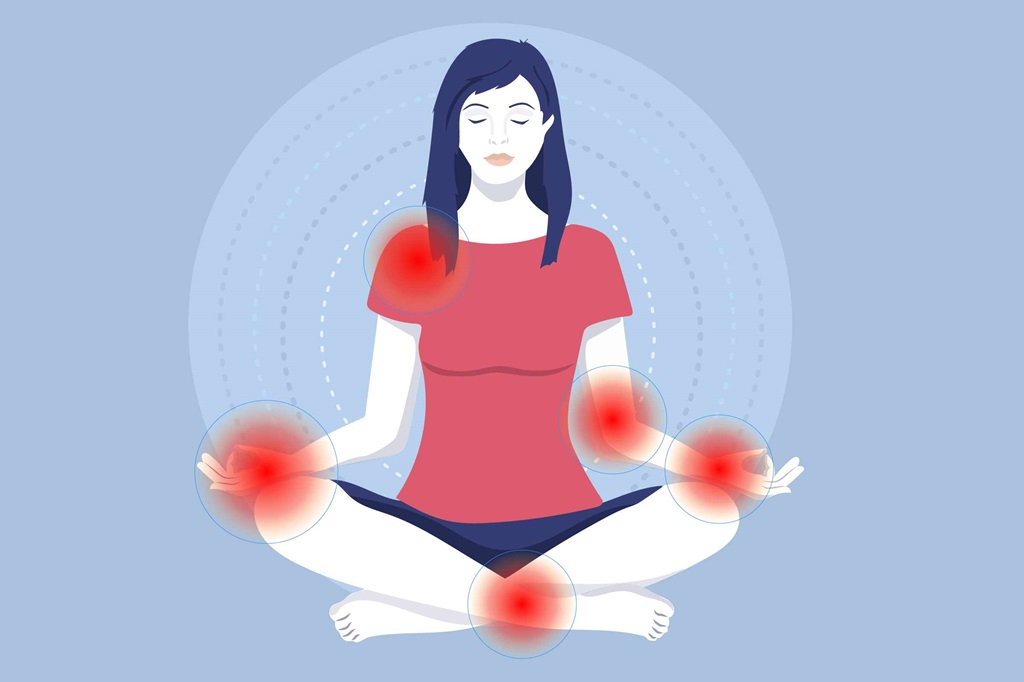
The experience of pain is universal. Whether it’s a fleeting headache, the chronic ache of arthritis, or the aftermath of an injury, pain can significantly impact our lives. While traditional medicine offers various treatments, many are turning to complementary practices like meditation to help manage their pain. But can meditation truly offer relief? Let’s delve into the potential benefits.
Understanding Pain and Its Impact
Pain is more than just a physical sensation; it’s a complex experience involving our bodies, minds, and emotions. Chronic pain, in particular, can lead to a cycle of distress, where the pain itself amplifies negative emotions like fear, anxiety, and depression. This can further worsen the perception of pain, creating a debilitating loop.
The Role of Meditation
Meditation encompasses various techniques aimed at focusing attention and achieving a state of calm awareness. While there are numerous meditation styles, mindfulness meditation is particularly well-studied for pain management. However, some people may wonder, is mirror gazing dangerous, when considering different meditation practices.
Here’s how meditation can potentially help:
- Shifting Attention: Mindfulness encourages us to observe sensations, thoughts, and emotions without judgment. When applied to pain, it can help shift our focus away from the suffering it causes and towards a more neutral awareness of the sensation itself. This can lessen the emotional distress associated with pain.
- Reducing Stress: Stress can exacerbate pain, creating a vicious cycle. Meditation has been shown to activate the relaxation response, reducing the production of stress hormones like cortisol. By lowering stress, meditation indirectly helps to manage pain.
- Changing Brain Structure: Research suggests that long-term meditation can alter brain structure, particularly in areas associated with pain perception and emotional regulation. This could potentially lead to a decreased sensitivity to pain and improved coping mechanisms.
- Cultivating Acceptance: Meditation teaches us to accept experiences as they are, without resistance. This acceptance doesn’t mean resignation; instead, it’s about acknowledging the pain without letting it dictate our lives. Paradoxically, accepting pain can often lessen its emotional impact.
Evidence Supporting Meditation for Pain Management
Numerous studies have explored the potential benefits of meditation for pain. For example:
- A meta-analysis of 20 randomized controlled trials found that mindfulness meditation significantly reduced pain intensity and pain-related disability.
- Brain imaging studies have shown that mindfulness meditation can alter pain processing in the brain, reducing the activity of pain-related regions.
- Research on chronic pain conditions like fibromyalgia and rheumatoid arthritis has found that mindfulness meditation can improve pain, mood, and quality of life.
Related: Best and effective herbs for pain relief
Incorporating Meditation into Your Pain Management Plan

If you’re considering meditation for pain management, here are some tips:
- Consult Your Doctor: Discuss your interest in meditation with your healthcare provider, especially if you have a chronic pain condition.
- Start Slowly: Begin with short meditation sessions, gradually increasing the duration as you become more comfortable.
- Find a Teacher: Consider working with a qualified meditation instructor who can guide you through the practice and offer personalized support.
- Be Patient: Meditation is a skill that takes time to develop. Don’t get discouraged if you don’t see immediate results.
Important Note: Meditation should be used as a complementary therapy, not a replacement for conventional medical treatment. Always consult your doctor before making any changes to your pain management plan.
The Bottom Line
While meditation is not a magic bullet, research suggests it can be a valuable tool for managing pain. By shifting attention, reducing stress, changing brain structure, and cultivating acceptance, meditation offers a holistic approach to pain relief. If you’re struggling with pain, consider exploring meditation as a potential pathway to greater comfort and well-being.