How to Protect Babies From Heat and Humidity During Outdoor Activities

How to Mix Pillow Textures Without Making Your Room Look Busy
September 24, 2026
How to Create a More Balanced and Comfortable Lifestyle
September 26, 2026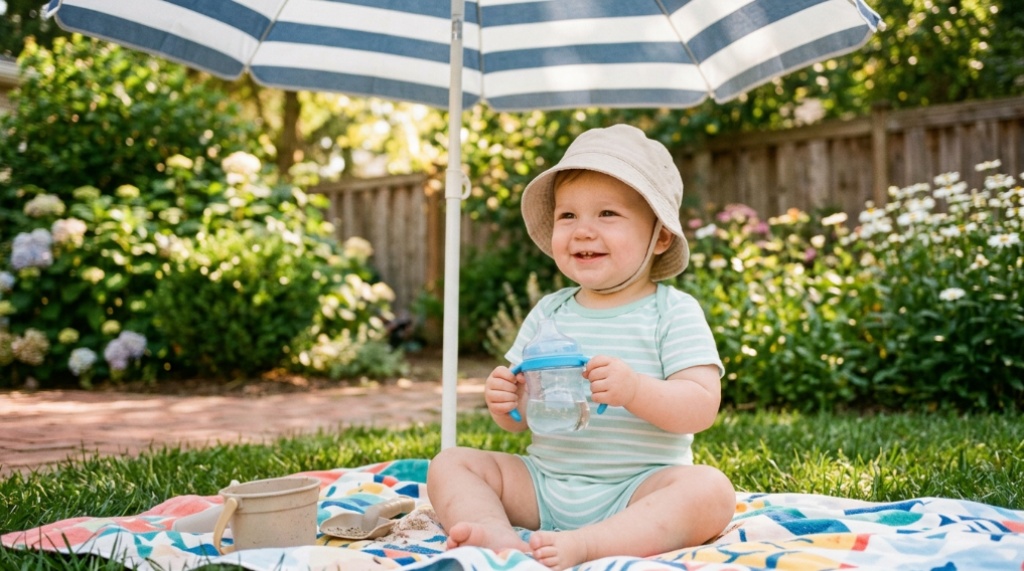
A shaded stroller, a breezy park, and a sunny afternoon can quickly turn uncomfortable when the heat index climbs. Babies overheat faster than adults because their bodies produce more heat relative to their size and their sweat glands are not yet fully developed, which makes cooling down slower. That is why planning matters more than willpower. Whether you are comparing gear or checking timing, resources like ProBabyGuide can help you think through portable cooling options before you head out. This guide explains what actually keeps a baby safe in heat and humidity, and when to stay indoors.
Quick Answer
Keep babies out of direct sun, dress them in one light layer, offer breast milk or formula more often, and aim for outings before 10 a.m. or after 4 p.m. when the heat index is lowest. Use shade, a stroller fan, and a damp cloth for cooling, but never cover a stroller completely with a blanket, which traps heat. If the heat index rises above roughly 90°F (32°C), or your baby shows signs of overheating, move to air conditioning and seek medical advice if symptoms do not improve quickly.
Key Takeaways
- Babies under 6 months cannot drink water and should be cooled through shade, lighter clothing, and more frequent milk feeds instead.
- Never drape a blanket or muslin over a stroller to block sun; it can raise the temperature inside significantly.
- The heat index (temperature plus humidity) matters more than the temperature alone when deciding whether to go outside.
- Watch for early warning signs: flushed skin, rapid breathing, fussiness, and fewer wet diapers.
- Air conditioning and hydration are the fastest ways to bring an overheated baby back to a safe temperature.
Why Babies Overheat Faster Than Adults
A baby’s surface area is large relative to body weight, so they absorb heat from the environment quickly. Their sweat glands are also less efficient in the first year, meaning sweating does not cool them as effectively as it cools an adult. On top of that, babies cannot tell you they are too hot or move themselves into shade. This combination means a short walk that feels fine to you can be genuinely risky for an infant, especially when humidity is high because sweat evaporates more slowly.
When Is It Too Hot or Too Humid to Go Outside?
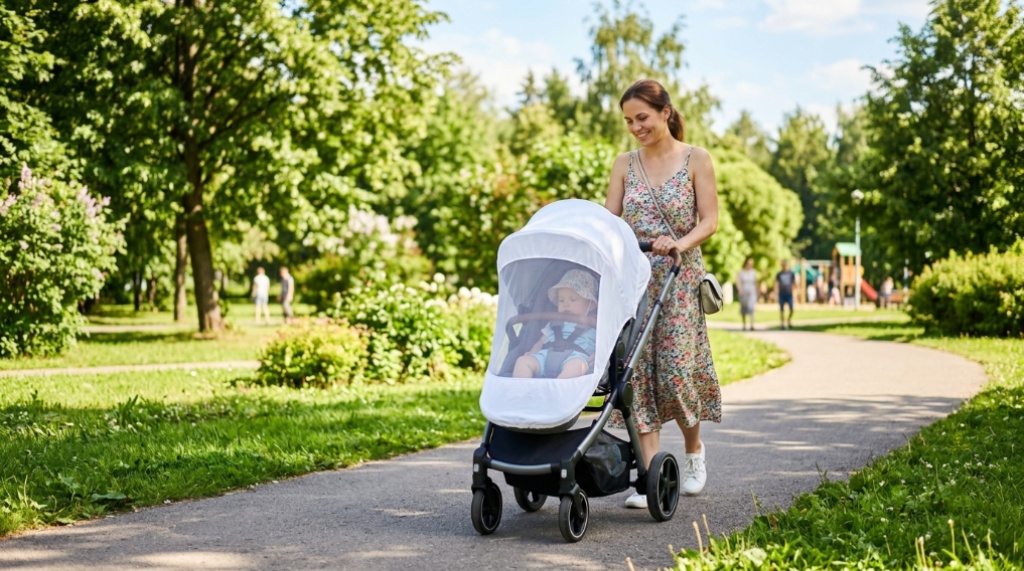
Use the heat index, not just the thermometer reading. Humidity above roughly 60 percent reduces how well a baby can cool through evaporation, so 85°F with high humidity can feel and act like a much hotter day.
| Heat Index | General Guidance for Babies |
|---|---|
| Below 80°F (27°C) | Generally fine for short outings with shade and fluids |
| 80–90°F (27–32°C) | Limit to short trips, stay in shade, monitor closely |
| 90–103°F (32–39°C) | Keep outings brief and low-effort; avoid midday |
| Above 103°F (39°C) | Stay indoors in air conditioning; do not take babies outside |
These thresholds are general guidance, not a substitute for your pediatrician’s advice. Babies with certain health conditions, premature infants, and those taking medication may be more sensitive and need stricter limits.
The Stroller Mistake That Traps Heat
Covering a stroller with a blanket, towel, or even a thin muslin to block the sun is one of the most common and dangerous mistakes. It blocks airflow, so the interior can become much hotter than the outside air, creating a greenhouse effect. Instead, use the stroller’s built-in canopy, attach a clip-on shade, or park the stroller so the sun falls on you rather than on the seat. If you want airflow, a small portable fan designed for strollers can help move air without blocking ventilation, if you notice your little one making strange sounds during warm weather, you might also want to read about reasons and solution of baby fake coughing to know when it is just a playful habit.
Dressing and Cooling a Baby in Humidity
Choose light-colored, breathable fabrics like cotton or moisture-wicking blends in a single layer. Skip hats that cover the neck in extreme heat unless they are mesh or ventilated, and remove extra clothing the moment you notice damp skin. For cooling, a cool (not ice-cold) damp washcloth on the back of the neck, wrists, and forehead works quickly. A lukewarm bath after coming indoors can also help bring core temperature down gradually.
Feeding and Hydration Rules by Age
Babies under 6 months should get extra breast milk or formula in hot weather, not water, because their kidneys are not ready for additional water and it can dilute sodium levels. Babies over 6 months can be offered small sips of water alongside their usual milk feeds. The simplest hydration check is diaper output: if wet diapers drop noticeably, your baby may be dehydrated and needs fluids and a cooler environment.
Signs of Heat Illness You Should Not Ignore
Early heat exhaustion in babies can look like fussiness, flushed or pale skin, heavy sweating, rapid breathing, or unusual sleepiness. Heat stroke is a medical emergency and may present with hot skin, a lack of sweating, confusion, vomiting, or unresponsiveness. If you suspect heat stroke, move the baby to a cool place, remove excess clothing, and call emergency services immediately. Do not wait to see if the baby improves on their own, if you notice your little one making strange sounds during warm weather, you might also want to read about reasons and solution of baby fake coughing to know when it is just a playful habit.
Practical Tips for Outdoor Activities
Plan around the day’s coolest hours, usually early morning or late afternoon and evening. Bring more milk or formula than you think you need, a spare light outfit, a wide-brimmed hat for older babies, and a stroller fan or handheld fan. Look for shaded routes, and take breaks in air-conditioned spaces such as libraries or malls when possible. A simple checklist before every outing: shade cover, fluids, light clothing, and a plan to head home if the heat index climbs.
Frequently Asked Questions
Can I put a fan directly on my baby in hot weather?
Yes, a gentle fan aimed at the stroller or nearby is generally safe and helps with evaporative cooling. Avoid blowing air directly into a newborn’s face for long periods, and never use a fan that could overheat or has exposed blades near a baby.
Is it safe to take a newborn outside in summer?
Short outings in the early morning or evening are usually fine when the heat index is low. Newborns are especially vulnerable, so keep trips brief, stay in shade, and avoid the hottest part of the day.
Should I give my baby water to prevent dehydration?
Babies under 6 months should not be given water; offer more breast milk or formula instead. Babies over 6 months can have small amounts of water in addition to their regular milk feeds.
What is the fastest way to cool an overheated baby?
Move to an air-conditioned space, remove excess clothing, apply a cool damp cloth to the neck and forehead, and offer fluids if the baby is old enough. If symptoms are severe or do not improve, seek emergency care.
Does humidity make heat more dangerous for babies?
Yes. High humidity slows sweat evaporation, which is the body’s main cooling method, so the same temperature feels and acts much hotter.
Can a stroller fan replace shade?
No. A fan improves airflow and comfort but does not block radiant heat from the sun. Pair it with shade, light clothing, and timing outings to avoid peak heat.
Conclusion
Protecting a baby from heat and humidity comes down to timing, shade, light clothing, and frequent fluids. Go out in the cooler hours, keep the stroller ventilated, and treat any sign of overheating as a signal to move indoors. If you are unsure whether conditions are safe, err on the side of staying in air conditioning. When symptoms are severe or unclear, contact your pediatrician rather than waiting.