
Decompression Therapy: What It Is and How It Relieves Back Pain Effectively

Home Remedies for Basketball Finger Injuries
October 23, 2025
Modern Bathroom Renovation Ideas for a Sleek Look
December 8, 2025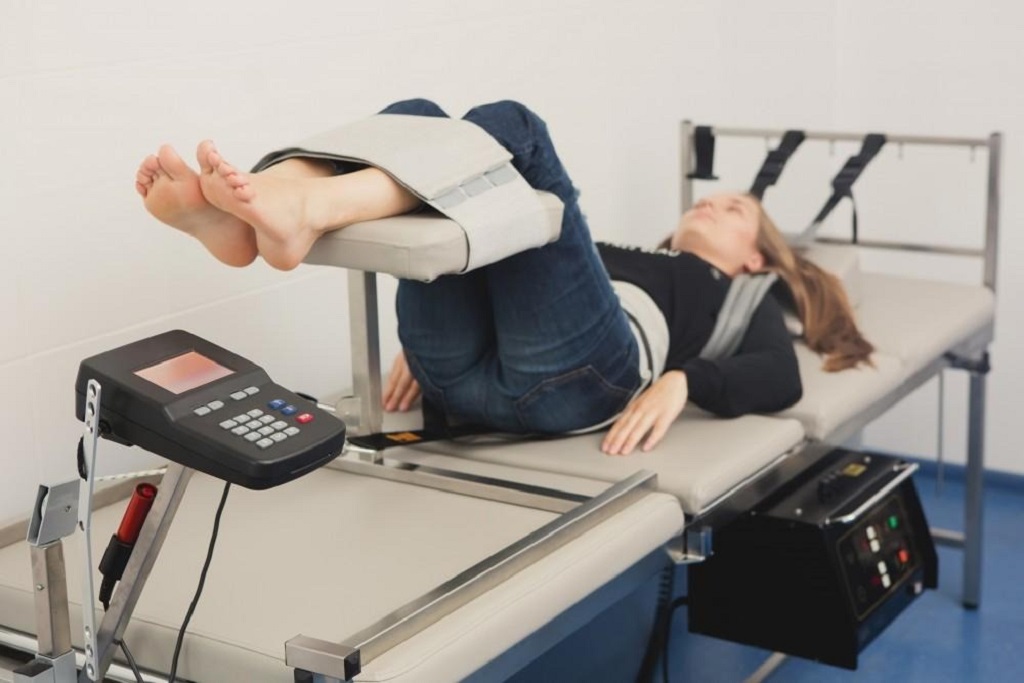
Spinal decompression therapy uses motorized traction to gently stretch the spine. Clinicians place you on a specialized table that carefully controls the amount of pull. The machine alternates between pulling and relaxing over 20–45 minute sessions.
This rhythmic movement creates negative pressure inside the spinal discs—the gel-like cushions between your vertebrae. Doctors sometimes describe it as “giving your discs room to breathe again.”
Two main types exist today:
- Non-surgical spinal decompression (the most common modern version using computer-controlled tables)
- Surgical decompression (performed in operating rooms for severe cases—laminectomy, microdiscectomy, etc.)
This article focuses on non-surgical decompression because it helps 70–90% of appropriate candidates avoid surgery altogether.
How Decompression Therapy Works Inside Your Spine
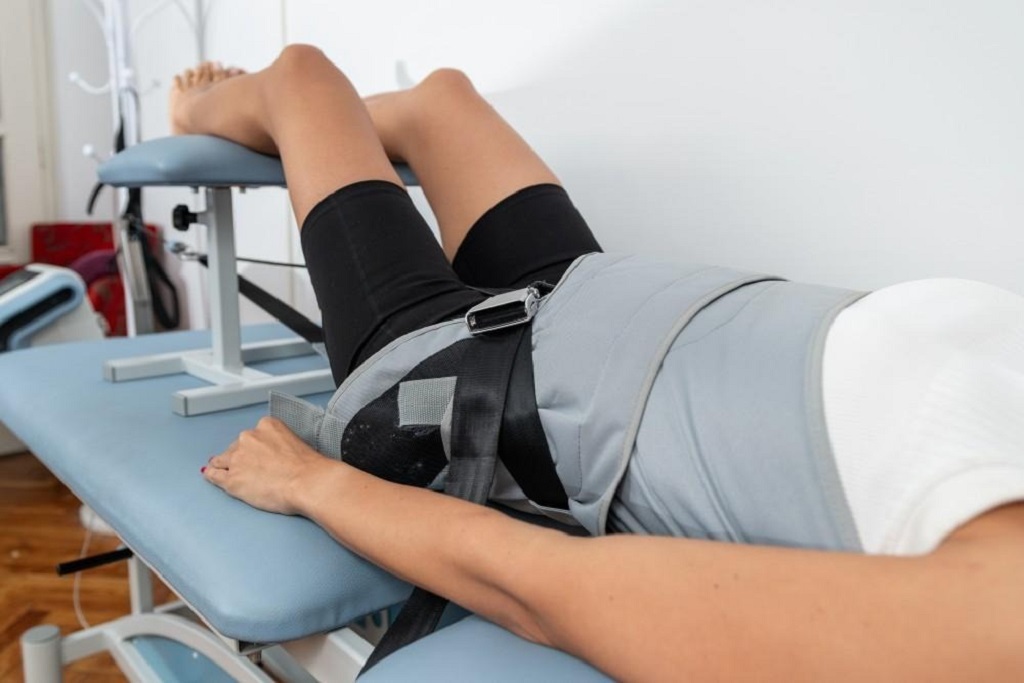
Your spinal discs have no direct blood supply after childhood. Instead, they rely on movement and pressure changes to absorb water, oxygen, and nutrients. Chronic compression from poor posture, heavy lifting, or aging dehydrates discs and triggers pain.
During each decompression session, something remarkable happens:
- The gentle pull separates vertebrae by millimeters.
- Negative pressure (vacuum effect) forms inside the disc.
- Herniated or bulging material may retract slightly.
- Fresh fluid carrying oxygen and nutrients flows back in.
- Inflammation decreases as pressure lifts off pinched nerves.
A 2018 study in the Journal of Physical Therapy Science found that just one session can reduce intradiscal pressure from +100 mmHg to -160 mmHg—literally reversing the crushing forces that cause pain.
Conditions That Respond Best to Decompression Therapy
Clinics report excellent outcomes for specific diagnoses. Patients with these conditions often experience the most dramatic improvement:
- Herniated or bulging discs (71–89% success rate in clinical studies)
- Degenerative disc disease
- Sciatica and radiating leg pain
- Posterior facet syndrome
- Spinal stenosis (mild to moderate cases)
- Failed back surgery syndrome (when appropriate)
However, decompression rarely helps mechanical pain from muscle spasms alone or severe instability requiring fusion.
What Happens During a Typical Session?
You arrive wearing comfortable clothes. The clinician fits you with padded harnesses around your pelvis and torso. Then you lie face-up (or sometimes face-down) on the decompression table.
Most people describe the sensation as a gentle stretching feeling in the lower back. Some even fall asleep! Sessions last 20–45 minutes, and a full treatment plan usually includes 20–28 visits over 5–7 weeks.
Many providers combine decompression with:
- Cold laser therapy
- Electrical muscle stimulation
- Core strengthening exercises
- Nutritional guidance for disc healing
This multi-modal approach often delivers faster, longer-lasting results.
The Science: What Research Actually Says
Early skeptics dismissed decompression as “fancy traction.” But modern studies using MRI evidence tell a different story.
A 2021 randomized controlled trial published in BMC Musculoskeletal Disorders followed 174 patients with lumbar disc herniation. The decompression group showed:
- 83.3% achieved good-to-excellent results
- Average pain scores dropped from 7.1 to 1.9
- 76% reduced or eliminated pain medication
- Disc herniation size decreased on follow-up MRI in 62% of cases
Another landmark study from Anesthesiology (2001) used real-time MRI during decompression. Researchers watched bulging discs retract and nerve root compression disappear in multiple patients—visual proof of the mechanism.
Who Makes the Best Candidate?
Ideal candidates usually share these characteristics:
- Diagnosed disc bulge or herniation on MRI
- Pain lasting longer than 6 weeks
- Leg pain equal to or worse than back pain
- Previous conservative treatments failed (physical therapy, medications, injections)
- Desire to avoid surgery and opioids
Red flags that may exclude someone include:
- Severe osteoporosis
- Spinal fractures or tumors
- Advanced spondylolisthesis (grade 3–4)
- Pregnancy
- Metal implants in the spine
A thorough examination and imaging review determine eligibility.
Real Patient Stories That Inspire Hope
Sarah, a 42-year-old teacher, suffered debilitating sciatica for 14 months. Three epidural injections brought only temporary relief. After 24 decompression sessions combined with specific exercises, she returned to coaching volleyball pain-free.
Mike, a 55-year-old contractor, faced fusion surgery for two herniated discs. He chose decompression first. Six months later his surgeon reviewed a new MRI showing both herniations significantly smaller. Surgery canceled.
These stories repeat daily in clinics nationwide.
How Soon Do Patients Feel Relief?
Response times vary, but patterns emerge:
- First 1–6 sessions: Reduced muscle guarding and central back pain
- Sessions 6–12: Leg pain and numbness often decrease dramatically
- Sessions 12–20: Most patients report 70–90% overall improvement
- After session 20: Focus shifts to maintenance and strengthening
Some lucky individuals feel major relief after just 3–4 visits, while others with severe damage need the full protocol.
Home Decompression Options: Do They Work?
You’ll find inversion tables and home traction devices marketed aggressively online. While some patients get mild relief, they rarely match clinical results.
Why the difference?
- Home units cannot create precise, computer-controlled negative pressure
- No professional monitoring for safety
- Most people invert too aggressively and increase pain
- Lack of combined therapies
Think of home units as stretching tools—helpful supplements, not replacements for clinical decompression.
Safety Profile and Side Effects
Non-surgical decompression boasts an outstanding safety record. Serious complications occur in less than 1 in 100,000 treatments.
Temporary side effects may include:
- Mild muscle soreness (similar to after a workout)
- Temporary increase in pain (usually resolves within 24 hours)
- Rare muscle spasms
Clinicians adjust protocols immediately if discomfort occurs.
Long-Term Results: Does the Relief Last?
A common fear: “Will my pain just come right back when treatments end?”
Long-term studies provide reassuring data. A five-year follow-up published in the Journal of Neurologic Research showed 81% of patients maintained good to excellent results when they followed post-care exercise programs.
Success depends heavily on addressing root causes—poor posture, weak core muscles, excess weight, and repetitive stress.
Combining Decompression with Lifestyle Changes
The most successful patients treat decompression as the catalyst, not the complete solution. They commit to:
- Daily core stabilization exercises
- Ergonomic workplace adjustments
- Anti-inflammatory nutrition
- Stress management
- Regular movement breaks
These habits protect the healing achieved during treatment.
The Future of Decompression Therapy
Researchers continue refining protocols. New developments include:
- Integration with regenerative medicine (PRP and stem cells)
- Advanced 3D axial decompression tables
- AI-guided treatment algorithms
- Home maintenance devices with clinical-grade precision
The evidence base grows stronger every year.
Related Topics: Can Stress and Mental Health Affect Back Pain?
Conclusion
Spinal decompression therapy offers something rare in back pain treatment: a scientifically validated way to actually heal damaged discs rather than just manage symptoms. For the right candidate, it provides a genuine alternative to surgery and lifelong medication.
If chronic back or leg pain limits your life, ask your doctor or chiropractor about decompression therapy today. One conversation could start you on the path to moving freely again.
Take the first step. Schedule a consultation with a certified decompression specialist this week—you deserve to live without constant pain.
Related Topics: Barbell Weight Calculator
Frequently Asked Questions
How many decompression sessions will I need?
Most patients complete 20–28 sessions over 5–8 weeks, though some respond faster and others with severe damage need slightly more.
Does insurance cover spinal decompression therapy?
Coverage varies widely. Many plans classify it as “investigational” despite substantial evidence, while others cover it under traction or physical therapy benefits. Always verify with your provider.
Is decompression therapy the same as regular traction?
No. Traditional traction uses constant pull, while modern decompression uses computerized logarithmic curves that prevent muscle guarding and create true intradiscal negative pressure.
Can I do decompression therapy if I’ve already had back surgery?
Yes, in many cases. Post-surgical patients often respond well, especially those with recurrent herniations. Your clinician reviews previous operative reports for safety.
How long do the results from decompression last?
Studies show 80–90% of patients maintain significant relief for years when they follow recommended exercise and lifestyle programs.
References
- https://pubmed.ncbi.nlm.nih.gov/33415809/ (2021 BMC Musculoskeletal Disorders RCT)
- https://pubs.asahq.org/anesthesiology/article/95/5/1291/39098 (2001 Anesthesiology MRI study)
- https://www.ncbi.nlm.nih.gov/pmc/articles/PMC1888421/ (Systematic review of non-surgical decompression)
- https://journals.lww.com/spinejournal/abstract/2019/03150/long_term_effect_of_spinal_decompression.15.aspx (5-year follow-up study)