


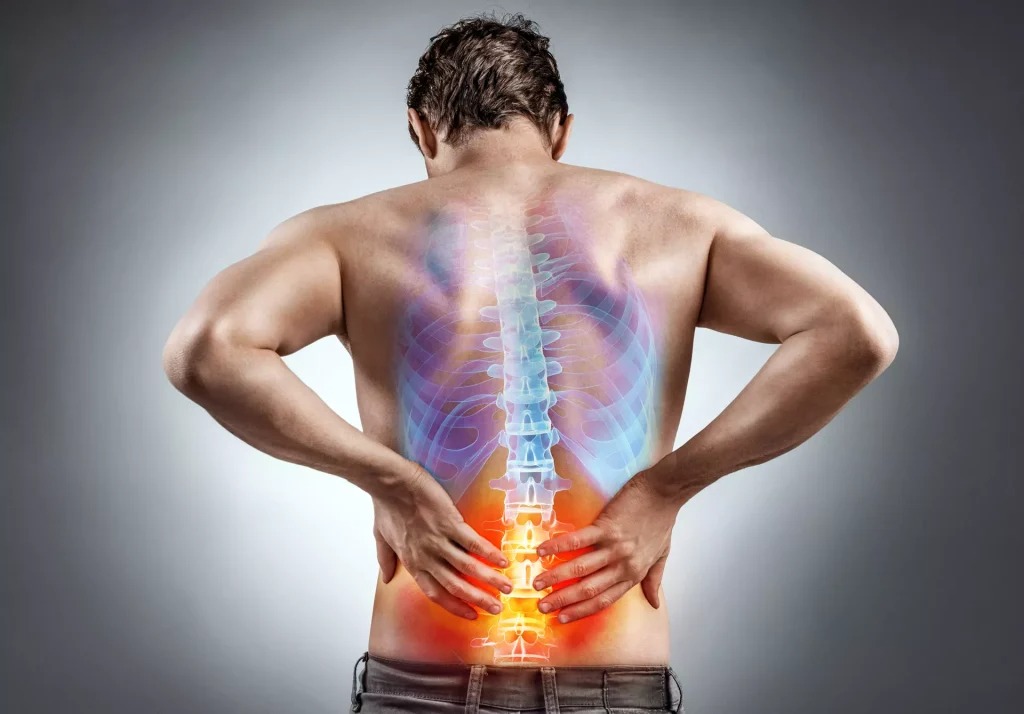
Back pain affects nearly 80% of adults at some point in their lives, making it one of the most common health complaints worldwide. This discomfort can range from a dull, constant ache to a sudden, sharp sensation that leaves you unable to move. Understanding what triggers this pain is the first step toward finding relief and preventing future episodes.
What Exactly Is Back Pain and Why Does It Happen?
Quick Answer: Back pain is discomfort occurring anywhere along your spine, from the neck to the lower back, typically caused by muscle strain, poor posture, injury, or underlying medical conditions affecting the bones, discs, or nerves.
Your back consists of an intricate network of vertebrae, intervertebral discs, muscles, and ligaments. Each component plays a specific role in supporting your body weight and enabling movement. When you lift something heavy incorrectly, sit hunched over a computer for hours, or experience a sudden twist, these structures bear excessive stress.
The pain you feel is your body’s warning system. Muscles may spasm to protect an injured area. Discs can bulge or herniate, pressing on nearby nerves. Ligaments might stretch beyond their normal capacity. Even simple wear and tear from aging can trigger discomfort as cartilage thins and bones rub together.
Most episodes are mechanical in nature, meaning they result from how you move or position your body rather than from disease. However, sometimes pain signals underlying conditions like arthritis, osteoporosis, or infections that require medical attention.
What Are the Most Common Causes of Lower Back Pain?
Quick Answer: Lower back pain most commonly stems from muscle or ligament strains, herniated discs, arthritis, skeletal irregularities, and osteoporosis, with repeated heavy lifting and sudden awkward movements being primary triggers.
The lower back, or lumbar region, supports most of your body weight. This makes it particularly vulnerable to injury. Here are the leading culprits:
Muscle or Ligament Strain: Repeated heavy lifting, sudden movements, or maintaining awkward positions strains muscles and spinal ligaments. If you’re not in good physical shape, constant strain on your back can cause painful muscle spasms.
Bulging or Herniated Discs: Discs act as cushions between the bones in your spine. The soft material inside a disc can bulge or rupture and press on a nerve. Interestingly, you might have a bulging disc without experiencing pain, often discovered only during X-rays for other issues.
Arthritis: Osteoarthritis can affect your lower back. In some cases, arthritis in the spine leads to a narrowing of the space around the spinal cord, a condition called spinal stenosis. This narrowing puts pressure on nerves and causes significant discomfort.
Skeletal Irregularities: Conditions like scoliosis, where your spine curves to the side, can lead to pain, typically not until middle age. Uneven leg lengths or other structural abnormalities also contribute to chronic discomfort.
Osteoporosis: When bones become porous and brittle, your spine’s vertebrae can develop painful fractures. This condition particularly affects postmenopausal women and older adults who don’t get adequate calcium and vitamin D.
How Does Poor Posture Contribute to Back Problems?
Quick Answer: Poor posture places unnecessary strain on your spine’s natural curves, causing muscles to work harder to maintain balance, leading to tension, fatigue, and eventually chronic pain in the back and neck.
Your spine has natural curves designed to absorb shock and maintain balance. When you slouch, hunch over a desk, or crane your neck forward to look at your phone, you disrupt these curves. This forces muscles to compensate for the imbalance.
Sitting for extended periods with rounded shoulders pushes your head forward. For every inch your head moves forward from its neutral position, it adds approximately 10 pounds of pressure on your spine. Over time, this creates muscle fatigue and tension.
Standing with locked knees or leaning to one side while standing also throws off your alignment. Your muscles must work overtime to keep you upright, leading to exhaustion and pain. The hip flexors tighten, the lower back arches excessively, and the shoulders round forward.
The good news? Correcting posture often provides immediate relief. Simple adjustments like sitting with your feet flat on the floor, keeping your computer screen at eye level, and taking regular breaks to stretch can make a dramatic difference in how your back feels.
Can Stress and Mental Health Affect Back Pain?

Quick Answer: Yes, psychological stress causes muscle tension, particularly in the neck and back, and can amplify pain perception, creating a cycle where stress increases pain and pain increases stress.
The mind-body connection plays a powerful role in how you experience pain. When you’re stressed, anxious, or depressed, your body releases stress hormones like cortisol. These hormones trigger muscle tension as part of your fight-or-flight response.
Your back and neck muscles are particularly susceptible to stress-related tension. You might notice your shoulders creeping toward your ears during stressful moments or clenching your jaw without realizing it. This constant tension creates knots, restricts blood flow, and leads to persistent aching.
Chronic stress also lowers your pain threshold. The same level of discomfort that might feel manageable on a good day can feel unbearable when you’re overwhelmed or anxious. This heightened sensitivity makes existing back problems feel worse.
Depression and chronic pain often go hand in hand. People dealing with ongoing pain may develop depression, while those with depression are more likely to experience chronic pain. This bidirectional relationship requires addressing both the physical and emotional aspects of pain.
Stress management techniques like deep breathing, meditation, regular exercise, and adequate sleep can significantly reduce both stress levels and pain intensity. Many people find that treating anxiety or depression also improves their back pain.
What Role Does Age Play in Developing Back Pain?
Quick Answer: Age-related changes like disc degeneration, loss of bone density, decreased muscle elasticity, and arthritis make back pain more common after age 30, with risk increasing significantly after 50.
Time takes a toll on your spine just like it does on other parts of your body. Starting around age 30, the discs between your vertebrae begin to lose water content. This makes them less flexible and more prone to tears or ruptures.
Bone density naturally decreases with age, particularly in women after menopause. Weaker bones mean a higher risk of compression fractures in the vertebrae. These tiny breaks can cause sudden, severe pain or develop gradually, creating a stooped posture.
Muscles lose mass and strength as you age, especially if you’re not actively working to maintain them. Weaker core muscles provide less support for your spine, placing more stress on the vertebrae and discs. Ligaments also become less elastic, reducing flexibility and increasing injury risk.
Arthritis becomes more prevalent with each passing decade. The cartilage protecting your joints wears down, causing inflammation and pain. In the spine, this can lead to bone spurs that narrow the space for nerves to pass through.
However, age doesn’t have to mean inevitable pain. Regular exercise, maintaining a healthy weight, not smoking, and practicing good posture can significantly slow age-related changes and keep your back healthy well into your later years.
How Do Lifestyle Factors Like Weight and Exercise Impact Back Health?
Quick Answer: Excess weight increases stress on the spine, particularly the lower back, while regular exercise strengthens supporting muscles and improves flexibility, with both factors significantly influencing pain levels and injury risk.
Carrying extra pounds, especially around your midsection, shifts your center of gravity forward. This pulls your pelvis forward and creates an excessive arch in your lower back. The spine must work harder to support this uneven weight distribution, leading to muscle fatigue and strain.
Every pound of excess weight adds approximately four pounds of pressure to your lower back. If you’re 20 pounds overweight, that’s 80 additional pounds of force your spine must handle. Over time, this accelerates disc degeneration and increases arthritis risk.
Physical inactivity weakens the muscles that support your spine. When your core muscles are weak, your back must compensate for the lack of support. This creates a vicious cycle: pain leads to less activity, which causes more weakness, resulting in increased pain.
Regular exercise does the opposite. It strengthens muscles, improves flexibility, and promotes better posture. Low-impact activities like swimming, walking, and yoga are particularly beneficial because they build strength without jarring your spine.
Exercise also helps maintain healthy discs by promoting the movement of nutrients into the disc space and waste products out. Staying active reduces inflammation throughout your body, improving overall pain levels.
You don’t need intense workouts to see benefits. Even 30 minutes of moderate activity most days of the week can make a substantial difference in your back health and reduce your risk of developing chronic pain.
What Are the Warning Signs That Back Pain Needs Medical Attention?
Quick Answer: Seek immediate medical care for back pain accompanied by fever, unexplained weight loss, loss of bladder or bowel control, numbness spreading down the legs, or pain following a significant injury or fall.
Most back pain improves with home care within a few weeks. However, certain symptoms indicate a more serious underlying condition that requires professional evaluation.
Red flag symptoms include: Pain that doesn’t improve with rest or worsens at night. Severe pain that spreads down one or both legs, especially below the knee. Weakness, numbness, or tingling in one or both legs. Unexplained weight loss alongside pain. Fever or chills accompanying back discomfort.
Loss of bladder or bowel control is a medical emergency. This can indicate cauda equina syndrome, a rare but serious condition where nerves at the base of the spinal cord become compressed. Without immediate treatment, it can lead to permanent paralysis.
Pain following trauma, such as a fall, car accident, or blow to the back, warrants immediate evaluation. You could have a fracture, especially if you’re older or have osteoporosis.
If you have a history of cancer and develop new back pain, contact your doctor. Cancer can spread to the spine, causing pain as tumors grow or vertebrae weaken.
People with compromised immune systems from conditions like HIV or those taking steroids should also seek prompt evaluation, as they’re at higher risk for spinal infections.
Read More Also: 4 Types of Physical Activity
Taking Control of Your Back Health
Understanding the causes behind your back pain empowers you to take meaningful action. Whether your discomfort stems from poor posture, stress, age-related changes, or lifestyle factors, you now have the knowledge to address it effectively. Remember that most episodes resolve with simple interventions like improving posture, managing stress, staying active, and maintaining a healthy weight.
Don’t let back pain control your life. Start with small changes today—adjust your workstation, take walking breaks, practice stress-reduction techniques, or begin a gentle stretching routine. If your pain persists beyond a few weeks or you notice any warning signs, consult a healthcare professional for a proper diagnosis and treatment plan. Your back supports you every day; it’s time to return the favor by giving it the care and attention it deserves.
Read More Also: Genetics in Sharks and Marine Life
Frequently Asked Questions About Back Pain
How long does typical back pain last?
Most acute back pain episodes improve within a few days to weeks, with 90% of cases resolving within six weeks. Chronic back pain, defined as pain lasting more than 12 weeks, affects about 20% of people who experience an initial episode. Early movement and appropriate care help prevent acute pain from becoming chronic.
Is bed rest good for back pain?
No, prolonged bed rest can actually worsen back pain. While a day or two of reduced activity might help during severe acute pain, staying immobile weakens muscles and stiffens joints. Gentle movement and returning to normal activities as soon as tolerable speeds recovery and prevents chronic problems from developing.
Can sleeping position cause back pain?
Yes, sleeping position significantly affects back health. Stomach sleeping strains your neck and lower back. Side sleeping with a pillow between your knees or back sleeping with a pillow under your knees maintains proper spinal alignment. Your mattress matters too—one that’s too soft or too firm can contribute to discomfort.
Does cold or heat work better for back pain?
Ice works best for acute injuries and inflammation during the first 48-72 hours, reducing swelling and numbing sharp pain. Heat is better for chronic pain and muscle tension, increasing blood flow and relaxing tight muscles. You can alternate between both, but never apply ice or heat directly to skin—always use a barrier like a towel.
Can back pain be prevented?
While not all back pain is preventable, you can significantly reduce your risk through regular exercise, maintaining a healthy weight, practicing good posture, using proper lifting techniques, and managing stress. Strengthening core muscles, staying flexible, and avoiding prolonged sitting or standing in one position all protect your spine from injury.
When should I consider surgery for back pain?
Surgery is typically a last resort after conservative treatments fail. Consider it only when you have progressive nerve damage, severe pain that doesn’t respond to other treatments for at least 6-12 months, or specific structural problems like herniated discs causing significant disability. Most back pain doesn’t require surgery.
Are there natural remedies that help with back pain?
Yes, several natural approaches provide relief. Regular stretching and strengthening exercises, yoga, massage therapy, acupuncture, and maintaining good posture all help manage pain. Anti-inflammatory foods like fatty fish, berries, and leafy greens may reduce inflammation. However, always discuss supplements or alternative treatments with your doctor before starting them.