How to Use Essential Oils for Sleep: Unlock the Secrets to a Restful Night

5 Effective Exercises to Alleviate Shoulder Pain and Restore Mobility
April 10, 2025
Addressing Sleep Disturbances Related to Shift Work: A Comprehensive Guide for Better Rest
May 1, 2025
Are you tired of tossing and turning at night, desperately searching for a natural solution to improve your sleep? If so, you’re not alone. Millions of people struggle with insomnia and poor sleep quality, but there’s a simple, effective remedy that has been used for centuries—essential oils. In this comprehensive guide, we’ll dive deep into how to use essential oils for sleep , exploring their benefits, methods of application, scientific backing, and real-world solutions to help you wake up refreshed and energized. Whether you’re new to essential oils or looking to refine your nighttime routine, this article is your ultimate resource.
Why Sleep Matters: The Foundation of Health
Before we delve into the specifics of essential oils, let’s talk about why sleep is so crucial. According to the Centers for Disease Control and Prevention (CDC), one in three adults doesn’t get enough sleep, which can lead to a host of health issues, including weakened immunity, weight gain, and even chronic conditions like heart disease and diabetes. Sleep isn’t just a luxury—it’s a necessity for mental clarity, emotional well-being, and physical health.
The good news? Nature offers powerful tools to help you reclaim your rest. Essential oils have gained popularity as a holistic approach to improving sleep quality, thanks to their calming and therapeutic properties. But how exactly do they work, and are they truly effective? Let’s explore.
The Science Behind Essential Oils and Sleep
What Are Essential Oils?
Essential oils are concentrated plant extracts that capture the natural aroma and beneficial properties of their source. These oils are derived through processes like steam distillation or cold pressing, preserving the essence of plants such as lavender, chamomile, and cedarwood.
How Do They Promote Sleep?
Essential oils interact with the limbic system—the part of your brain responsible for emotions, memory, and arousal—through your sense of smell. When inhaled, these oils can trigger relaxation responses, reduce stress, and promote a calm state conducive to sleep.
A 2017 study published in the Journal of Alternative and Complementary Medicine found that inhaling lavender oil significantly improved sleep quality in participants with insomnia. Similarly, research from the International Journal of Nursing Practice highlighted the effectiveness of aromatherapy in reducing anxiety and enhancing sleep patterns.
Why Choose Essential Oils Over Conventional Sleep Aids?
Unlike pharmaceutical sleep aids, which can cause dependency and side effects, essential oils offer a natural alternative. They’re non-habit-forming, versatile, and easy to incorporate into your daily routine. Plus, they provide additional benefits beyond sleep, such as stress relief and mood enhancement.
Top Essential Oils for Better Sleep
Now that we understand the science, let’s explore the best essential oils for sleep and how to use them effectively.
-
Lavender Oil: The Sleep Superstar
Lavender is perhaps the most well-known essential oil for sleep. Its soothing scent has been shown to lower heart rate, reduce blood pressure, and calm the nervous system.
How to Use Lavender Oil:
- Add 5-10 drops to a diffuser before bedtime.
- Mix with a carrier oil (like coconut or jojoba) and apply it to your wrists or temples.
- Sprinkle a few drops on your pillowcase for an instant calming effect.
Studies Supporting Lavender:
A 2014 study in Evidence-Based Complementary and Alternative Medicine revealed that lavender oil improved sleep duration and reduced daytime fatigue in postpartum women.
-
Chamomile Oil: Nature’s Sedative
Chamomile, particularly Roman chamomile, is revered for its mild sedative properties. It’s ideal for those who experience racing thoughts or anxiety before bed.
How to Use Chamomile Oil:
- Blend with a carrier oil and massage it onto your neck and shoulders.
- Add a few drops to a warm bath for a relaxing pre-sleep ritual.
Fun Fact: Chamomile tea and chamomile oil share similar compounds, both of which have been linked to improved sleep quality.
-
Cedarwood Oil: Grounding and Calming
Cedarwood oil contains sesquiterpenes, compounds that promote relaxation and balance hormones. Its earthy aroma creates a grounding effect, perfect for winding down.
How to Use Cedarwood Oil:
- Combine with lavender oil in a diffuser for a synergistic blend.
- Dilute and apply to the soles of your feet—a technique believed to enhance absorption.
-
Bergamot Oil: Uplifting Yet Relaxing
Bergamot, a citrus oil, is unique because it balances uplifting and calming effects. It’s excellent for alleviating stress without causing grogginess.
How to Use Bergamot Oil:
- Diffuse alongside lavender for a harmonious blend.
- Use in a rollerball diluted with fractionated coconut oil for on-the-go stress relief.
-
Ylang-Ylang Oil: The Mood Enhancer
Ylang-ylang oil is known for its ability to regulate emotions and reduce tension. Its sweet floral scent makes it a favorite among those seeking tranquility.
How to Use Ylang-Ylang Oil:
- Add to a spray bottle with water and mist your bedroom for a serene environment.
- Incorporate into a nighttime skincare routine by mixing with moisturizer.
Methods of Application: Tailoring Your Routine
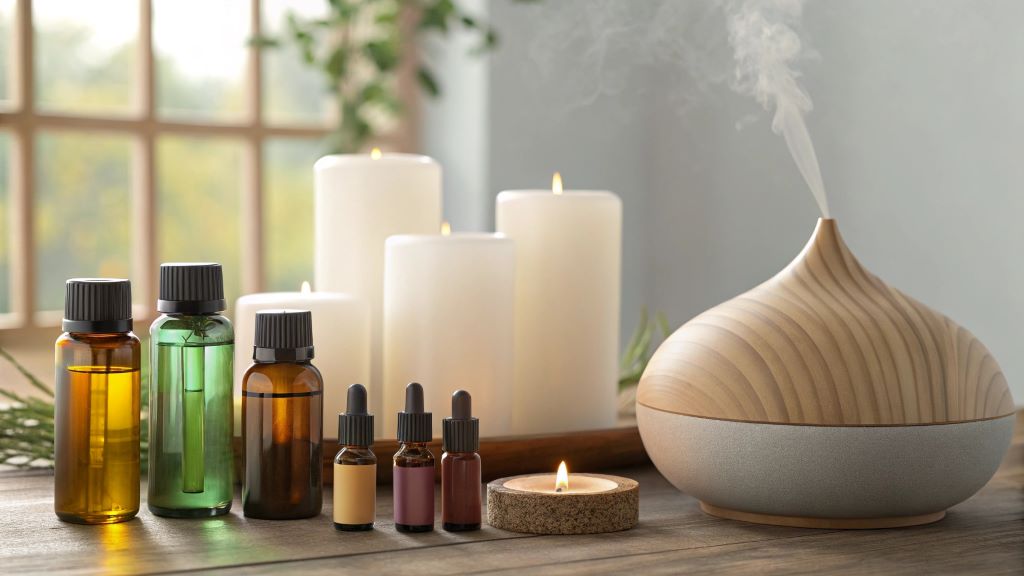
There are several ways to incorporate essential oils into your sleep regimen. Here’s a breakdown of the most effective methods:
-
Diffusion: The Easiest Way to Breathe Easy
Using a diffuser is one of the simplest and most popular ways to enjoy essential oils. Simply add water and a few drops of your chosen oil, then let the diffuser fill your space with calming scents.
Pro Tip: Opt for ultrasonic diffusers, which also add moisture to the air—a bonus for dry climates or winter months.
-
Topical Application: Targeted Relief
When applied topically, essential oils penetrate the skin and enter the bloodstream, providing localized benefits. Always dilute with a carrier oil to prevent irritation.
Popular Spots for Application:
- Wrists
- Temples
- Back of the neck
- Soles of the feet
-
Bath Therapy: Unwind in Luxury
Adding essential oils to a warm bath creates a spa-like experience. The heat helps release the oils’ aromatic molecules, while the water relaxes tense muscles.
Recipe Idea: Mix 1 cup of Epsom salt, 5 drops of lavender oil, and 3 drops of chamomile oil for a dreamy soak.
-
Pillow Sprays: Sweet Dreams Guaranteed
Create a DIY pillow spray by combining distilled water, witch hazel, and essential oils in a spray bottle. Lightly mist your pillows and bedding for a subtle yet effective aroma.
Combining Essential Oils for Maximum Effectiveness
While individual oils are powerful, blending them can amplify their benefits. Here are some tried-and-true combinations:
- Relaxation Blend: Lavender + Cedarwood + Bergamot
- Stress Relief Blend: Chamomile + Ylang-Ylang + Frankincense
- Deep Sleep Blend: Lavender + Vetiver + Marjoram
Why Blending Works: Different oils target various aspects of sleep—lavender calms the mind, vetiver grounds the body, and marjoram relaxes muscles.
Real-Life Success Stories: Transformations Through Essential Oils
To illustrate the power of essential oils, here are two inspiring testimonials:
Case Study #1: Sarah’s Journey to Peaceful Nights
Sarah, a busy mom of three, struggled with insomnia due to postpartum anxiety. After incorporating lavender oil into her nightly routine, she noticed a significant improvement in her ability to fall asleep and stay asleep. “I feel like I’ve rediscovered my energy and joy,” she says.
Case Study #2: John’s Battle with Work-Induced Insomnia
John, a corporate executive, turned to cedarwood oil after years of relying on sleeping pills. “The difference was night and day,” he shares. “I no longer dread bedtime—I look forward to it.”
Home remedy for treating premature ejaculation: Natural herbs
Popular FAQs About Using Essential Oils for Sleep
Q1: Are essential oils safe for everyone?
While generally safe, essential oils should be used with caution. Pregnant women, children, and individuals with medical conditions should consult a healthcare provider before use.
Q2: Can I ingest essential oils?
No, most essential oils are not safe for ingestion unless specifically labeled as food-grade. Stick to topical application or diffusion for safety.
Q3: How long does it take to see results?
Results vary depending on the individual and the method of application. Some people notice improvements immediately, while others may require consistent use over weeks.
Q4: Can essential oils replace prescription sleep aids?
Essential oils can complement traditional treatments but should not replace prescribed medications without consulting a doctor.
Q5: Where can I buy high-quality essential oils?
Look for reputable brands that prioritize purity and transparency, such as doTERRA, Young Living, or Plant Therapy.
Conclusion: Embrace the Power of Essential Oils for Sleep
If you’ve been wondering how to use essential oils for sleep , this guide has equipped you with everything you need to know. From understanding the science behind these potent plant extracts to exploring practical applications and success stories, you now have the tools to transform your nights—and, consequently, your days.
Remember, consistency is key. Experiment with different oils and methods to find what works best for you. With patience and persistence, you’ll discover the magic of essential oils and unlock the door to deeper, more restorative sleep.
Read More: