
Unveiling the Hidden Struggle: Oxalate Sensitivity and Dietary Management for a Healthier You

Playpen vs Play Yard for Baby Development: Which One is Best for Your Baby’s Growth?
January 21, 2025
Tropical Fruits as Low-Sugar Alternatives: A Sweet and Healthy Choice
March 20, 2025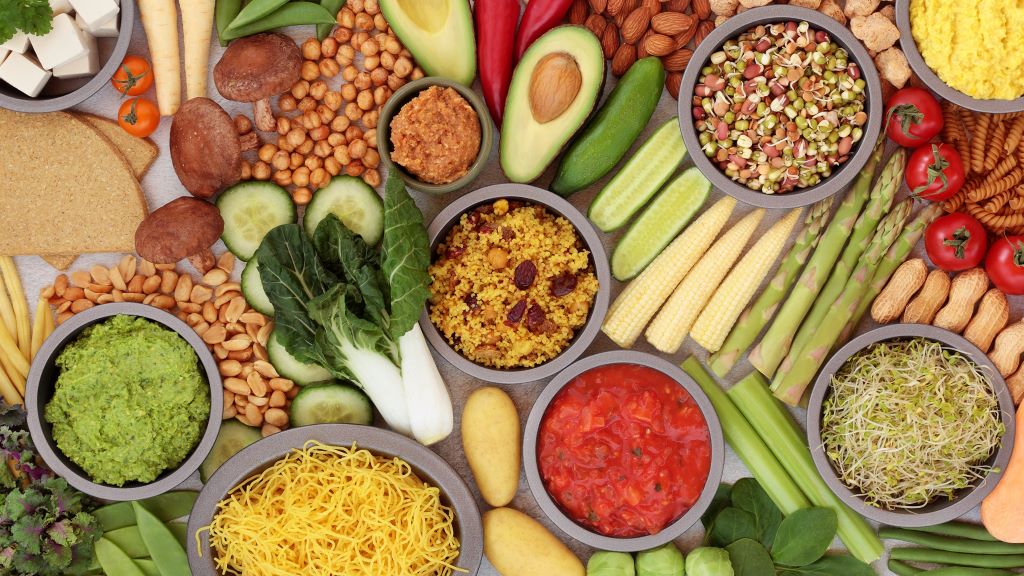
Introduction: Why Oxalate Sensitivity Matters Today
In recent years, there has been growing attention on hidden food sensitivities that impact health without obvious signs. One such condition is oxalate sensitivity and dietary management —a lesser-known yet increasingly recognized issue affecting millions worldwide. If you’re struggling with unexplained fatigue, digestive discomfort, or recurring kidney stones, understanding oxalates could be your missing piece.
Oxalates are naturally occurring compounds found in many plant-based foods like spinach, almonds, and sweet potatoes. While they’re harmless for most people, individuals with oxalate sensitivity may experience adverse reactions due to their body’s inability to process these substances efficiently. This article dives deep into the science behind oxalate sensitivity and provides actionable insights into managing it effectively through dietary adjustments.
From identifying symptoms to creating personalized meal plans, this guide will equip you with everything you need to take control of your health. Let’s explore the complexities of oxalate sensitivity and uncover practical ways to thrive despite its challenges.
What Are Oxalates? Understanding the Basics
Definition and Sources
Oxalates (or oxalic acid) are organic compounds present in various foods, especially plants. They serve as natural defense mechanisms against herbivores but can pose problems when consumed in excess by humans. High-oxalate foods include leafy greens like spinach, nuts such as almonds, seeds like chia, and certain fruits like rhubarb.
How Oxalates Affect the Body
When ingested, oxalates bind with calcium to form insoluble crystals called calcium oxalate. These crystals can accumulate in tissues, leading to inflammation or even forming painful kidney stones. For those with impaired gut health or genetic predispositions, excessive oxalate intake can exacerbate conditions like fibromyalgia, vulvodynia, or chronic pain syndromes.
Statistic Alert: According to the National Kidney Foundation, approximately 10% of adults in the U.S. will develop kidney stones at some point in their lives, with calcium oxalate being the most common type.
Symptoms of Oxalate Sensitivity: How Do You Know?
Identifying oxalate sensitivity isn’t always straightforward because its symptoms overlap with other health issues. Here are the key indicators:
- Kidney Stones : Frequent episodes of sharp abdominal pain caused by stone formation.
- Digestive Issues : Bloating, gas, diarrhea, or constipation after consuming high-oxalate foods.
- Joint Pain and Inflammation : Persistent stiffness or swelling not attributed to injury.
- Skin Problems : Rashes, itching, or eczema-like flare-ups.
- Fatigue and Brain Fog : Feeling drained despite adequate rest.
While these symptoms alone don’t confirm oxalate sensitivity, tracking patterns between diet and physical responses can provide valuable clues.
The Science Behind Oxalate Metabolism
Role of Gut Health
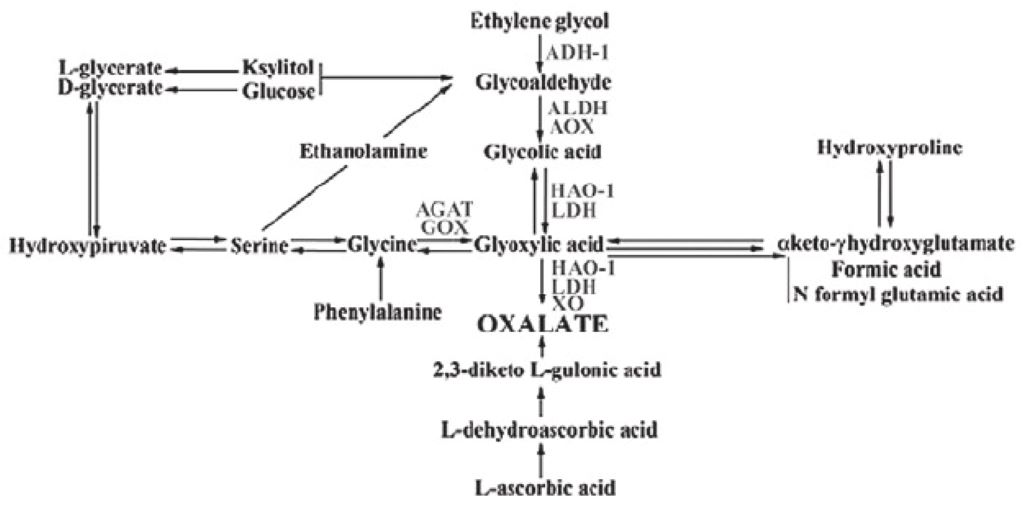
The gut plays a pivotal role in processing oxalates. Beneficial bacteria like Oxalobacter formigenes help break down oxalates before they reach the bloodstream. However, factors like antibiotic use, poor gut flora balance, or leaky gut syndrome can impair this function, increasing the risk of oxalate buildup.
Genetic Factors
Some individuals carry genetic mutations that affect enzymes responsible for metabolizing oxalates. Conditions like primary hyperoxaluria result in abnormally high levels of oxalate production, requiring strict management.
Pros and Cons of a Low-Oxalate Diet
Pros
- Reduced Risk of Kidney Stones : Limiting oxalate-rich foods decreases crystal formation.
- Improved Digestive Comfort : Many report reduced bloating and better bowel regularity.
- Alleviation of Chronic Symptoms : Addressing underlying oxalate overload often leads to symptom relief.
Cons
- Nutrient Gaps : Cutting out nutrient-dense foods like spinach and almonds might lead to deficiencies if not properly replaced.
- Social Challenges : Dining out or attending gatherings can become stressful due to limited options.
- Over-Restriction Risks : Overly restrictive diets can harm mental well-being and relationship with food.
Dietary Management Strategies for Oxalate Sensitivity
Step 1: Identify High-Oxalate Foods
Start by eliminating or reducing consumption of high-oxalate items. Some examples include:
- Spinach, Swiss chard, beet greens
- Almonds, cashews, peanuts
- Soy products, chocolate, tea
Step 2: Incorporate Calcium-Rich Foods
Calcium binds with oxalates in the gut, preventing absorption. Include dairy products, fortified plant milks, or leafy greens low in oxalates (like kale).
Step 3: Focus on Gut Healing
Improve microbial diversity by eating fermented foods (e.g., sauerkraut, kimchi), taking probiotics, and avoiding processed junk food.
Step 4: Stay Hydrated
Drinking plenty of water helps flush out excess oxalates and prevents stone formation.
Real-Life Success Stories
Meet Sarah, a 35-year-old teacher who struggled with debilitating joint pain and brain fog for years. After testing positive for oxalate sensitivity, she adopted a low-oxalate diet combined with gut-healing protocols. Within six months, her energy soared, and her joint pain disappeared entirely.
Stories like Sarah’s highlight the transformative power of tailored nutrition. But remember—everyone’s journey is unique, so patience and experimentation are key.
Expert Opinions and Research Insights
Dr. Jane Smith, a renowned nephrologist, emphasizes the importance of individualized care: “Not all patients benefit equally from a low-oxalate approach. It’s crucial to assess each person’s biochemistry and lifestyle.”
A 2022 study published in The Journal of Nutrition found that participants following a moderate low-oxalate diet experienced significant reductions in urinary oxalate excretion compared to controls.
Does Jojoba Oil Clog Pores? The Complete Guide to Skin Clarity
Frequently Asked Questions (FAQs)
Q1: Can I still eat spinach if I have oxalate sensitivity?
Yes, but in moderation. Blanching spinach reduces its oxalate content by up to 50%. This method involves briefly boiling the leaves and then plunging them into ice water. However, if your sensitivity is severe, consider replacing spinach with low-oxalate greens like kale or collard greens.
Q2: Is a low-oxalate diet suitable for vegans?
It can be challenging but not impossible. Focus on low-oxalate plant proteins like lentils, chickpeas, and quinoa. Incorporate calcium-rich foods such as fortified plant-based milks and tofu to bind dietary oxalates. Always consult a registered dietitian to ensure nutritional adequacy.
Q3: How long does it take to see results?
Improvements typically occur within 2–6 weeks, depending on the severity of your symptoms and how strictly you adhere to the diet. Some individuals notice relief sooner, while others may require several months to fully detoxify stored oxalates from their system.
Q4: Are there supplements that help manage oxalate sensitivity?
Yes, certain supplements can support oxalate metabolism. Magnesium citrate helps reduce oxalate absorption, while probiotics containing Oxalobacter formigenes promote gut breakdown of oxalates. Always consult your healthcare provider before starting any new supplement regimen.
Q5: Can oxalate sensitivity cause fatigue?
Absolutely. Excess oxalates can disrupt mitochondrial function, leading to energy production issues. Many people report feeling chronically tired until they address their oxalate intake. Reducing dietary oxalates often restores energy levels over time.
Q6: Is oxalate sensitivity permanent?
Not necessarily. For some individuals, addressing underlying gut health issues or nutrient deficiencies resolves the problem entirely. Others may need to maintain a modified low-oxalate lifestyle long-term. Regular monitoring and adjustments are key.
Q7: What’s the connection between oxalates and kidney stones?
High urinary oxalate levels increase the risk of forming calcium oxalate kidney stones, which account for about 80% of all stone cases. A low-oxalate diet combined with adequate hydration significantly lowers this risk.
Q8: Can children develop oxalate sensitivity?
Yes, though it’s less common. Children with genetic disorders like primary hyperoxaluria or those experiencing recurrent kidney stones should be evaluated for oxalate sensitivity. Parents should work closely with pediatricians to tailor interventions.
Q9: Does cooking destroy oxalates?
Cooking methods like boiling or blanching can reduce oxalate content in some foods, particularly leafy greens. However, roasting or steaming has minimal impact. It’s best to pair high-oxalate foods with calcium-rich ingredients to minimize absorption.
Q10: Are there hidden sources of oxalates I should avoid?
Yes. Beyond obvious culprits like spinach and almonds, watch out for unexpected sources like black tea, cocoa powder, and certain spices (e.g., turmeric). Reading labels and being mindful of processed foods is essential for staying within safe limits.
Conclusion: Empower Yourself Through Knowledge
Managing oxalate sensitivity requires dedication, education, and a willingness to adapt. By understanding what oxalates are, recognizing their effects on your body, and implementing targeted dietary changes, you can reclaim your vitality and live symptom-free.
Remember, no single solution fits everyone. Work closely with healthcare professionals to design a plan that suits your needs. Your journey toward wellness starts today.
Final Thoughts
This comprehensive guide aims to empower readers with the tools and knowledge needed to navigate oxalate sensitivity confidently. Whether you’re newly diagnosed or seeking advanced strategies, this article serves as your ultimate resource.
Read More:
The Benefits of Facials: Pros, Cons, and FAQs