Simple Steps to Start a Meditation Practice: A Beginner’s Guide to Inner Peace

Wearable Health Monitors for Athletes: Revolutionizing Performance and Recovery
March 22, 2025
The Impact of Yoga on Reducing Blood Pressure: A Natural Path to Better Health
March 23, 2025
Meditation has become a powerful tool for millions worldwide to reduce stress, improve focus, and enhance overall well-being. According to a 2021 study by the National Center for Complementary and Integrative Health, over 14% of U.S. adults have tried meditation at least once. If you’ve ever wondered how to start a meditation practice but felt overwhelmed, this guide is for you. Let’s explore simple steps to start a meditation practice that are actionable and easy to follow, helping you begin your journey toward mindfulness and inner peace.
Why Meditation Matters: The Science Behind the Practice
Meditation isn’t just a trendy wellness habit; it’s backed by science. Research from Harvard Medical School shows that regular meditation can reduce anxiety, improve emotional health, and even increase gray matter in the brain. Additionally, a study published in JAMA Internal Medicine found that mindfulness meditation can help alleviate symptoms of depression and chronic pain.
Personally, I started meditating during a stressful period in my life. At first, it felt awkward and unproductive. However, within weeks, I noticed a significant improvement in my ability to handle stress and stay focused. This experience inspired me to dive deeper into the practice and share its benefits with others.
Step 1: Set Clear Intentions for Your Meditation Practice
Before you begin, ask yourself why you want to meditate. Are you seeking stress relief, better sleep, or improved focus? Setting clear intentions helps you stay motivated and track your progress.
For example, if your goal is stress reduction, you might focus on mindfulness techniques that calm the mind. Alternatively, if you’re looking to boost creativity, visualization meditations could be more effective.
Write down your intentions in a journal. Revisit them regularly to stay aligned with your goals.
Step 2: Create a Dedicated Meditation Space
Your environment plays a crucial role in your meditation practice. A quiet, clutter-free space can help you focus and minimize distractions.
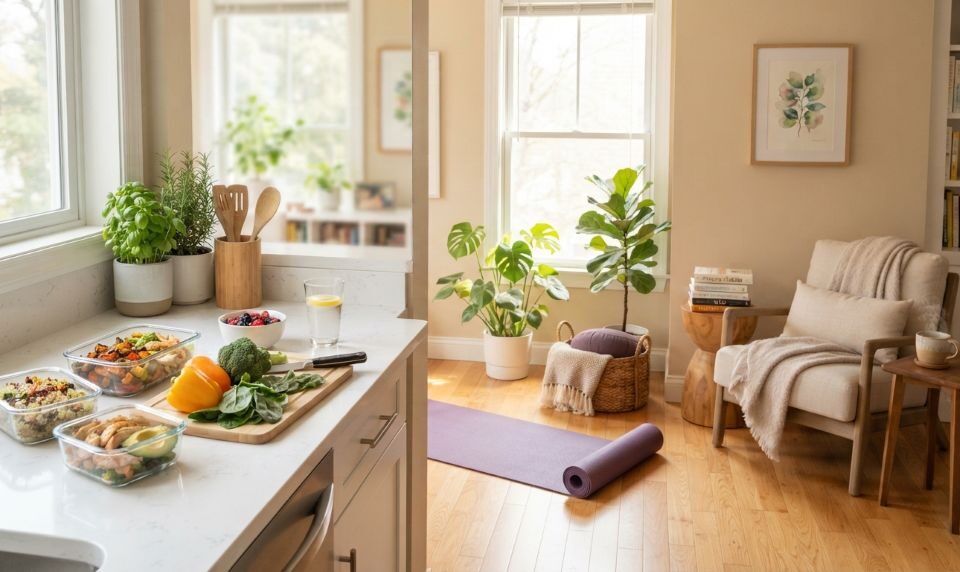
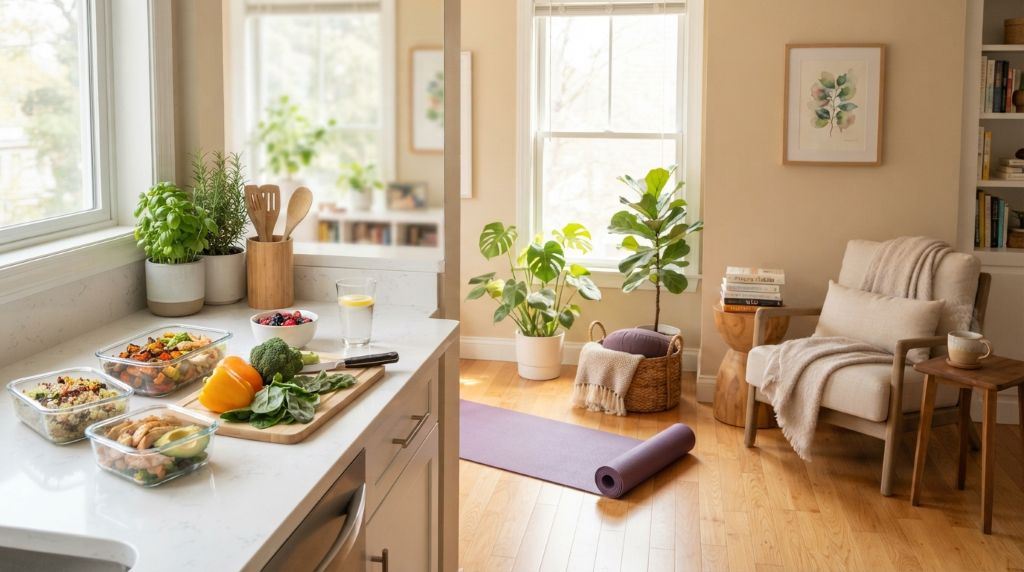
Choose a corner in your home where you feel comfortable and at ease. Add elements like a cushion, blanket, or calming decor to make the space inviting. If you’re short on space, even a small chair or a spot on your bed can work.
Keep your meditation area clean and free from distractions like phones or laptops.
Step 3: Start with Short Sessions
As a beginner, it’s important to start small. Aim for 5–10 minutes per session and gradually increase the duration as you become more comfortable.
Research from the University of California, Davis, suggests that even short meditation sessions can have a positive impact on mental health. Consistency is key, so focus on meditating daily rather than aiming for long, infrequent sessions.
Use a timer or meditation app to track your sessions and stay on track.
Step 4: Focus on Your Breath
Breathing is the foundation of most meditation practices. By focusing on your breath, you can anchor your mind and reduce distractions.
Here’s a simple technique to get started:
- Sit comfortably with your back straight.
- Close your eyes and take a deep breath in through your nose.
- Exhale slowly through your mouth.
- Repeat this process, paying attention to the sensation of your breath.
If your mind wanders, gently bring your focus back to your breath without judgment.
Step 5: Explore Different Meditation Styles
There’s no one-size-fits-all approach to meditation. Experiment with different styles to find what resonates with you.
- Mindfulness Meditation: Focuses on being present in the moment.
- Guided Meditation: Involves following a teacher or app.
- Loving-Kindness Meditation: Cultivates compassion and empathy.
- Body Scan Meditation: Involves focusing on different parts of the body.
Try a variety of techniques and note which ones you enjoy the most.
Step 6: Be Patient and Consistent
Meditation is a skill that takes time to develop. It’s normal to feel restless or distracted in the beginning.
According to a study published in Psychological Science, it takes an average of 66 days to form a new habit. Be patient with yourself and celebrate small victories along the way.
Set a daily reminder to meditate at the same time each day.
Step 7: Use Tools and Resources

There are countless resources available to support your meditation journey. Apps like Headspace and Calm offer guided sessions for beginners. Books, podcasts, and online courses can also provide valuable insights.
Explore free resources before investing in paid programs.
Step 8: Track Your Progress
Keeping a meditation journal can help you stay motivated and reflect on your experiences. Note how you feel before and after each session, any challenges you faced, and any insights you gained.
Use a simple notebook or a digital app to record your thoughts.
Step 9: Join a Community
Meditating with others can provide support and accountability. Look for local meditation groups or online communities where you can share your experiences and learn from others.
Check out platforms like Meetup or Facebook for meditation groups in your area.
Step 10: Embrace the Journey
Meditation is a lifelong practice that evolves over time. Embrace the ups and downs, and remember that every session is an opportunity to grow.
Celebrate your progress, no matter how small.
Conclusion
Starting a meditation practice doesn’t have to be complicated. By following these simple steps, you can cultivate mindfulness and improve your overall well-being. Remember, the key is consistency and patience.
Ready to begin? Share your meditation journey in the comments below or explore our related articles for more tips. Don’t forget to share this guide with friends and family who might benefit from it!
Emotional Stress Headache and Therapy: How to Overcome It Naturally
FAQs
How long should I meditate as a beginner?
Start with 5–10 minutes per day and gradually increase the duration as you become more comfortable.
Can I meditate lying down?
While sitting is recommended to avoid falling asleep, you can meditate lying down if it’s more comfortable for you.
What if I can’t stop my thoughts during meditation?
It’s normal for your mind to wander. Gently bring your focus back to your breath or chosen anchor without judgment.
Do I need any special equipment to meditate?
No, all you need is a quiet space and a comfortable seat. Cushions or chairs can help improve posture.
How soon will I see results from meditation?
Some people notice benefits like reduced stress and improved focus within a few weeks. However, long-term results require consistent practice.
Read More:
4 Practical Ways Seniors Can Enhance Heart Health
Salt Therapy in Spa Treatments: What You Should Know to Transform Your Wellness Journey