The Impact of Yoga on Reducing Blood Pressure: A Natural Path to Better Health

Simple Steps to Start a Meditation Practice: A Beginner’s Guide to Inner Peace
March 22, 2025
Sprint Workout on Treadmill : Unleash Your Inner Speed Demon
April 8, 2025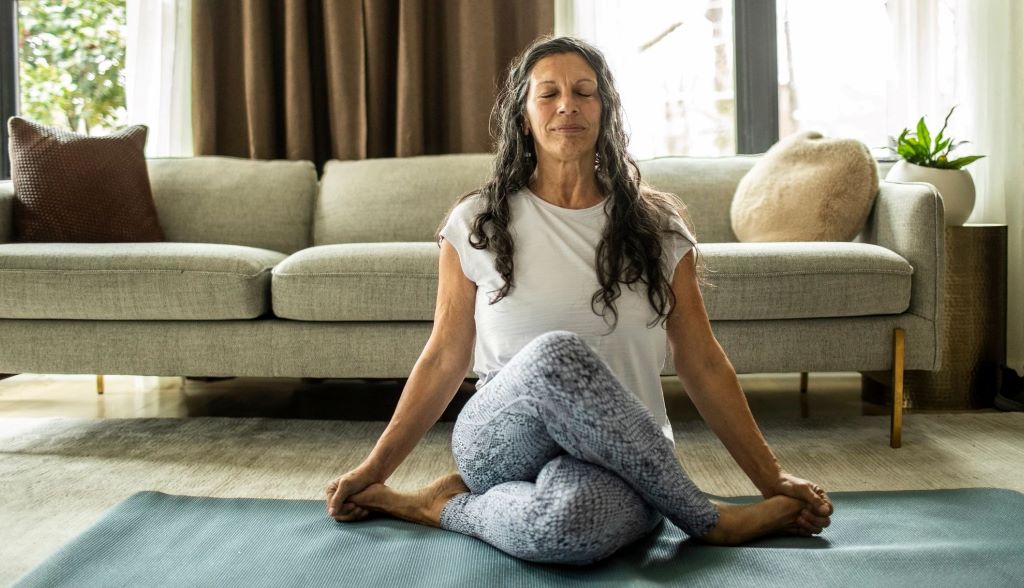
High blood pressure, or hypertension, is a global health concern affecting over 1.28 billion adults worldwide, according to the World Health Organization (WHO). While medications are commonly prescribed, lifestyle changes like yoga offer a natural and holistic approach to managing this condition. The impact of yoga on reducing blood pressure has been increasingly studied, with findings suggesting its effectiveness. Yoga, an ancient practice combining physical postures, breathing exercises, and meditation, has gained recognition for its ability to reduce stress and improve cardiovascular health.
In this blog post, we’ll explore how yoga can help lower blood pressure, backed by scientific research and practical tips. Whether you’re new to yoga or a seasoned practitioner, this guide will provide actionable insights to incorporate yoga into your daily routine for better heart health.
How Yoga Affects Blood Pressure
The Science Behind Yoga and Hypertension
Yoga’s impact on blood pressure lies in its ability to reduce stress, improve circulation, and enhance overall well-being. Stress is a significant contributor to hypertension, as it triggers the release of cortisol, a hormone that constricts blood vessels and raises blood pressure. Yoga counteracts this by activating the parasympathetic nervous system, which promotes relaxation and lowers cortisol levels.
A 2019 study published in the Journal of Clinical Hypertension found that participants who practiced yoga for 12 weeks experienced a significant reduction in both systolic and diastolic blood pressure. Additionally, yoga improves endothelial function, the lining of blood vessels, which plays a crucial role in regulating blood pressure.
Key Yoga Practices for Lowering Blood Pressure
1. Breathing Techniques (Pranayama)
Pranayama, or controlled breathing, is a cornerstone of yoga that directly impacts blood pressure. Techniques like Nadi Shodhana (alternate nostril breathing) and Bhramari (bee breath) calm the mind and reduce stress.
- How to Practice Nadi Shodhana:
- Sit comfortably with your spine straight.
- Close your right nostril with your thumb and inhale through the left nostril.
- Close the left nostril with your ring finger and exhale through the right nostril.
- Repeat for 5–10 minutes.
According to a 2020 study in the International Journal of Yoga, regular pranayama practice can lower systolic blood pressure by up to 10 mmHg.
2. Gentle Yoga Poses (Asanas)
Certain yoga poses are particularly effective for reducing blood pressure. These include:
- Child’s Pose (Balasana): Promotes relaxation and relieves tension.
- Legs-Up-The-Wall Pose (Viparita Karani): Improves circulation and reduces stress.
- Cat-Cow Pose (Marjaryasana-Bitilasana): Enhances spinal flexibility and calms the mind.
These poses are gentle and suitable for beginners. Hold each pose for 1–2 minutes, focusing on deep, rhythmic breathing.
3. Meditation and Mindfulness
Meditation is a powerful tool for managing stress, a major contributor to hypertension. Mindfulness meditation, in particular, encourages present-moment awareness, reducing anxiety and promoting relaxation.
A 2017 study in the American Journal of Hypertension found that mindfulness meditation reduced blood pressure in participants with elevated levels. Even 10 minutes of daily meditation can make a significant difference.
How Yoga Transformed My Health
I struggled with high blood pressure for years, relying solely on medication. However, after incorporating yoga into my routine, I noticed a dramatic improvement. Within three months, my blood pressure stabilized, and I felt more energized and less stressed. Yoga not only helped me physically but also provided a sense of mental clarity and peace.
Tips for Incorporating Yoga into Your Routine
- Start Small: Begin with 10–15 minutes of yoga daily and gradually increase the duration.
- Consistency is Key: Practice yoga at the same time each day to build a habit.
- Combine with Other Lifestyle Changes: Pair yoga with a balanced diet, regular exercise, and adequate sleep for optimal results.
- Seek Professional Guidance: Join a yoga class or consult a certified instructor to ensure proper technique.
The Role of Diet and Lifestyle in Enhancing Yoga’s Benefits
While yoga is effective, combining it with a heart-healthy diet and lifestyle amplifies its benefits. Reduce sodium intake, increase potassium-rich foods like bananas and spinach, and avoid processed foods. Additionally, limit alcohol consumption and quit smoking to further support cardiovascular health.
Conclusion
Yoga offers a natural, accessible, and effective way to manage high blood pressure. By incorporating breathing techniques, gentle poses, and meditation into your daily routine, you can reduce stress, improve circulation, and enhance overall well-being. Remember, consistency is key, and small changes can lead to significant improvements over time.
Take the first step today—roll out your yoga mat and embark on a journey toward better heart health. Share your experiences in the comments below or explore our related articles on holistic wellness.
FAQs
Can yoga alone cure high blood pressure?
Yoga can significantly lower blood pressure, but it’s most effective when combined with a healthy diet, regular exercise, and medical treatment if necessary.
How often should I practice yoga to see results?
Practicing yoga 3–5 times a week for at least 20–30 minutes can yield noticeable improvements in blood pressure levels.
Is yoga safe for seniors with high blood pressure?
Yes, gentle yoga poses and breathing exercises are safe for seniors. However, consult a healthcare provider before starting any new exercise regimen.
Which yoga style is best for hypertension?
Hatha yoga and restorative yoga are ideal for managing hypertension due to their gentle and relaxing nature.
Can yoga replace blood pressure medication?
Yoga should not replace prescribed medication without consulting a healthcare professional. It can complement medical treatment but is not a substitute.
Read More:
Salt Therapy in Spa Treatments: What You Should Know to Transform Your Wellness Journey